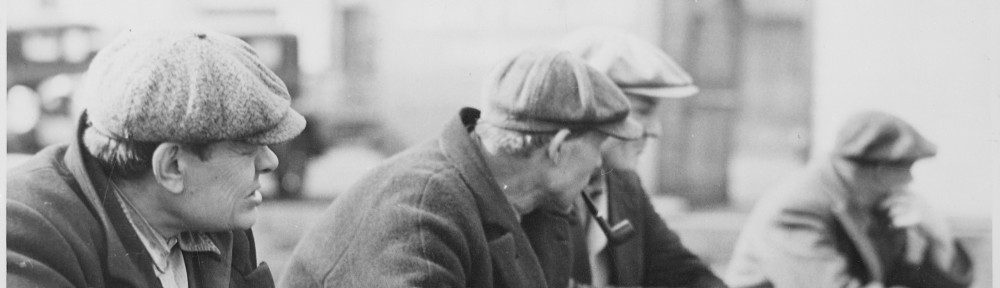
The Great Depression brought extreme hardship on the economy. For many people, the standards of living dropped (“Great Depression”). Additionally, a decline in consumer demand, financial panic, and misguided government policies caused economic output to fail (“Great Depression”). Furthermore, as much as one fourth of the labor force, in the 1930’s, was not able to find jobs (“Great Depression”). The downfall led to significant changes in economic policies later on in history (“Great Depression”). In the late 1930s, conditions improved (“Great Depression”). After the U.S. entered the war in 1941 unemployment fell, and WWII brought the depression to an end (Thorkelson; Taylor). World War II also eliminated banking panics (“Great Depression”). Now, legislatures and banks try to prevent recessions (“Great Depression”). In conclusion, The Great Depression brought hardship on the economy.
The Great Depression
Noah Silverstein